Academic
Classroom Culture
In Canada, 10-20% of your grade is 'Participation.' Speaking up is not optional. Understand the 'Plagiarism Zero-Tolerance' rule to protect your Study Permit.

Trusted guides, safety tools, and local know-how to help international students land on their feet — from day one.
Take this 6-question quiz to find your ideal Canadian province based on budget, lifestyle, and weather.
Helping you navigate daily life with clarity, safety, and confidence.
Learn more about our missionSyncing with your province...
Actual: --°CSelect a province to see regional adaptation advice.
Your real-time guide to safe zones, transit tips, and emergency alerts in your new province.
Mastering the financial system as an international student.
In Canada, your Credit Score is your financial reputation. On Day 1, open a Student Credit Card (or a Secured Credit Card if you don't qualify for an unsecured one yet). Spend a small amount each month — keep it under 30% of your limit — and pay the full balance on time, every time. By the time you graduate, your score will allow you to rent an apartment or buy a car without a struggle.
Most major banks offer highly competitive 'Newcomer Packages' that include temporary cash bonuses, tech offers, or extended fee waivers. Because these promotional structures change frequently, you should always compare the official bank websites immediately upon arrival to lock in the best current offer. Do not leave this money on the table — it covers your first month of groceries and more.
Even if you don't work, file your taxes. The CRA provides the GST/HST Credit — up to $533/year for a single person, paid quarterly. As a newcomer filing for the first time, apply using Form RC151 (it is not automatic). Note: From July 2026, this is being replaced by the new Canada Groceries and Essentials Benefit (CGEB) — same principle, file to claim.
The Hidden Rules of the Canadian Classroom and Culture.
In Canada, 10-20% of your grade is 'Participation.' Speaking up is not optional. Understand the 'Plagiarism Zero-Tolerance' rule to protect your Study Permit.
Month 2 is the 'Adjustment Dip' where homesickness peaks. This is normal. By Month 3, you find your rhythm and the 'Sovereign' student emerges.
Start your 750+ Credit Score strategy on Day 1. Learn how to claim GST/HST tax rebates that put hundreds of dollars back in your pocket.
Master the 'Penguin Walk' on black ice to avoid injury. Track your Vitamin D requirements and learn the 'Layering Protocol' for -30°C.
Vitamin D is mandatory, layering is logic, and salt rules for shoes. Stay warm, stay healthy.
Don't isolate. Find a library or cafe. Being around people reduces the burnout that leads to academic struggle.
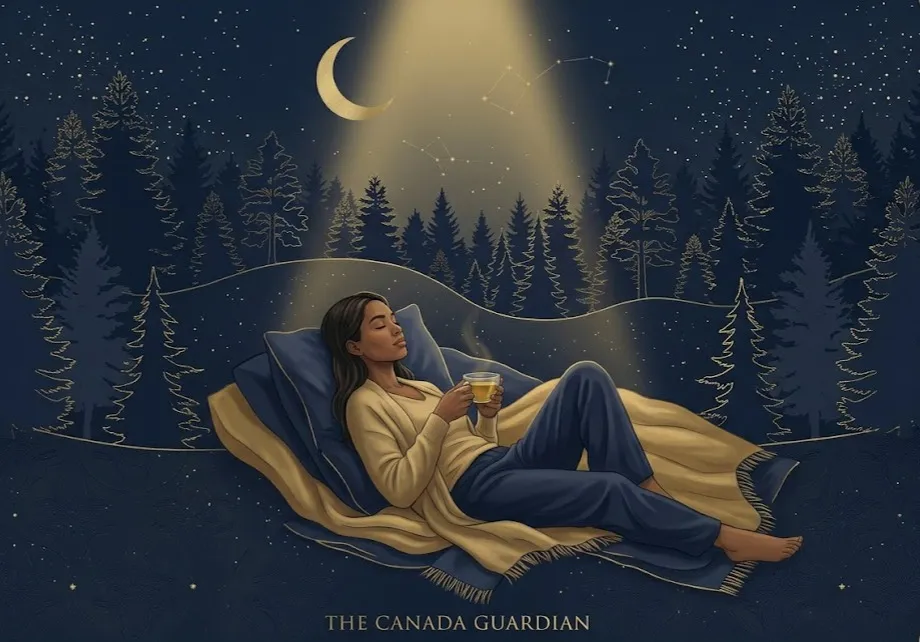
It’s okay to feel overwhelmed. Many newcomers feel this way in the beginning.
"You are adjusting, not failing."
Feeling lonely is common when starting life in a new country. Connection takes time, not speed.
You do not need to solve everything today. Focus only on the next small step.
Missing home simply means you had a place full of love. It is proof of a good past, not a bad present.
Real-time resources and peace of mind for the families back home.
"We understand that your heart is currently traveling across the ocean. Sending your child to Canada is an act of immense love and sacrifice. This platform was built to be their 'Guardian' in your absence. Take a deep breath—they are ready for this."
Alert Ready (ON), Alertable (BC), and SaskAlert (SK).
Scam-proofing, yellow strips, and newcomer bank offers.
24-hour work laws and illegal housing deposits.
Day 1-7 SIN, bank accounts, and quarterly tax benefit checklist.
Discover calm places, low-cost experiences, and ways to feel more connected in Canada. Small moments help make a new country feel like home.
"Small moments help make a new country feel like home."
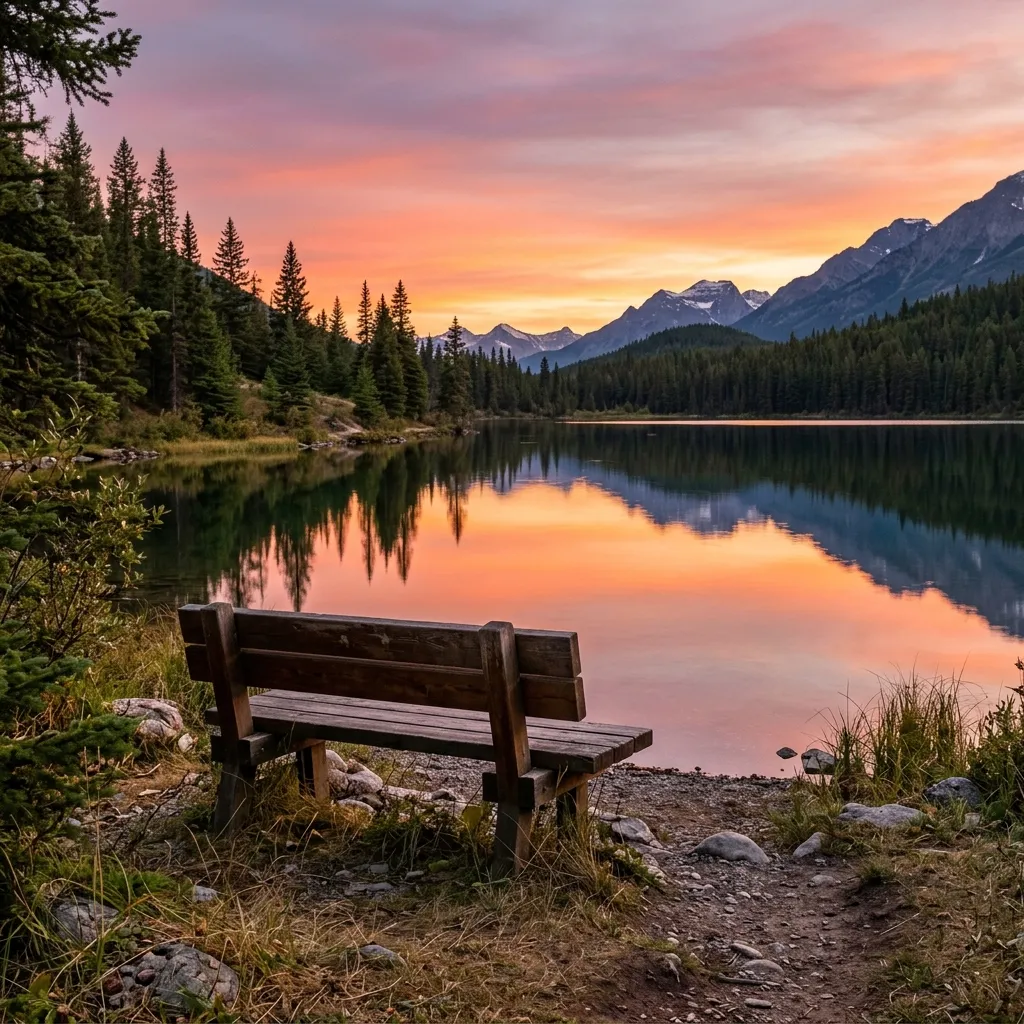

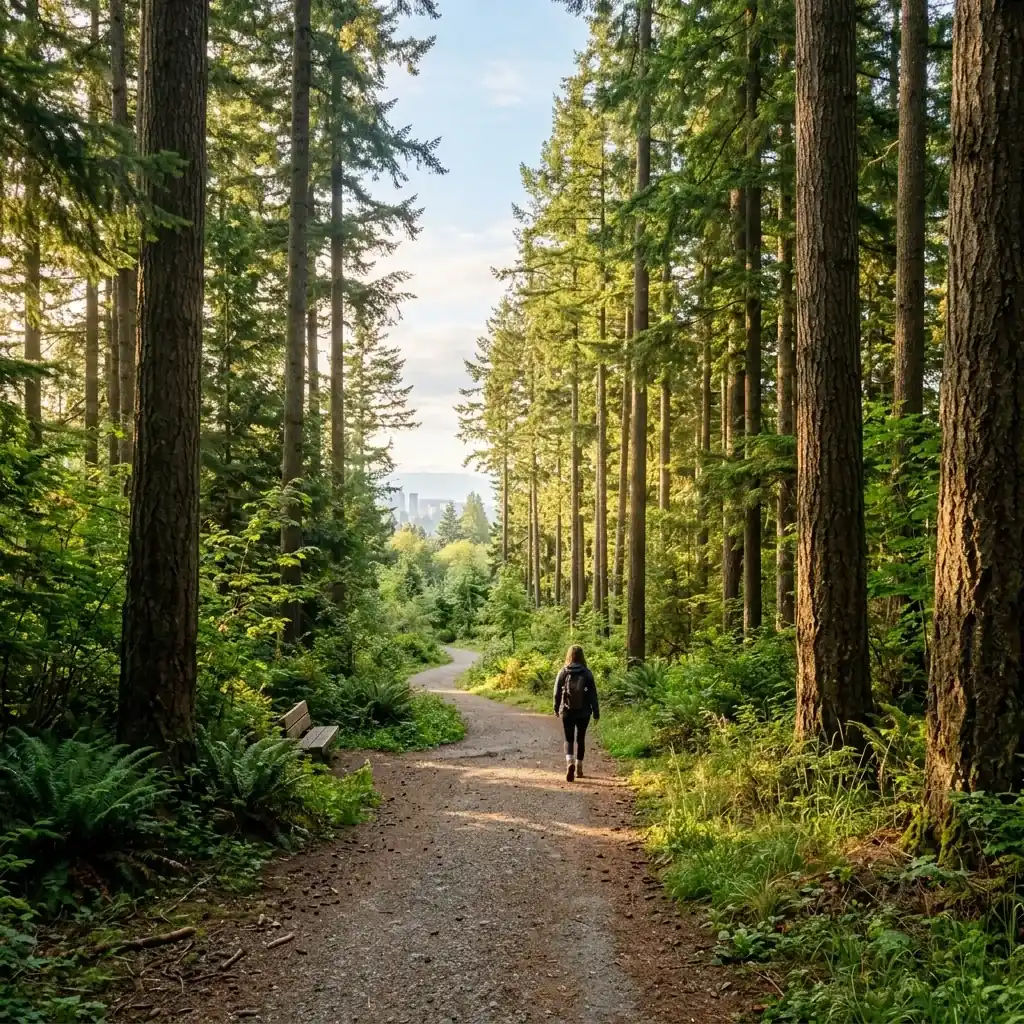
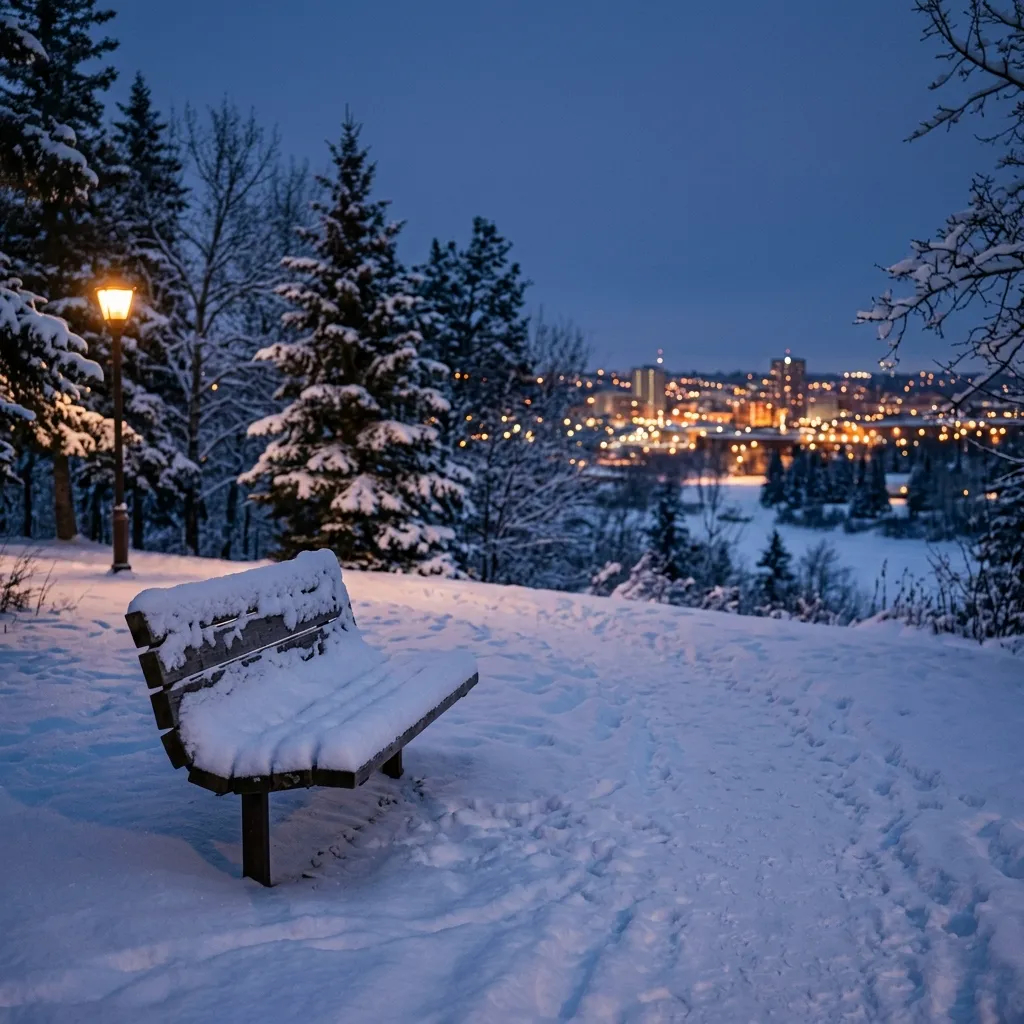
Tap a card to expand gentle tips and suggestions for each category.
Find serene local woods, conservation areas, and community parks to reset.
Warm, quiet spots with free Wi-Fi, borrowing passes, and community programs.
Indie spots to sit with a hot drink, read, study, or watch the snow fall.
Local drop-ins, gallery hours, community kitchens, and volunteer circles.
Hidden neighborhood paths, urban ravines, and waterfront boardwalks.
Local seasonal highlights, neighborhood markets, and winter light installations.
Simple, relaxing ways to connect with each of Canada's distinct seasons.

Watch late-evening sunsets by the water.

Gather with classmates under shaded trees.
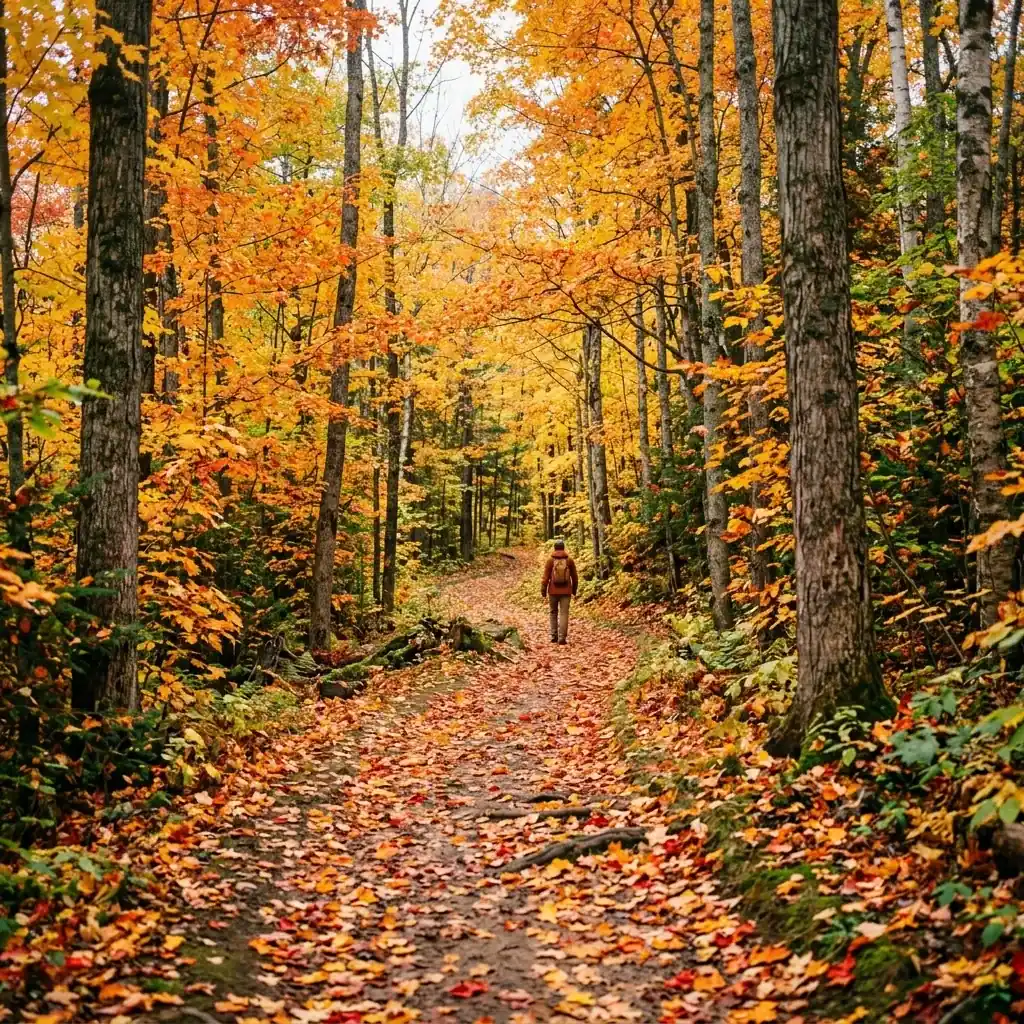
Experience Canada's gold and crimson leaves.
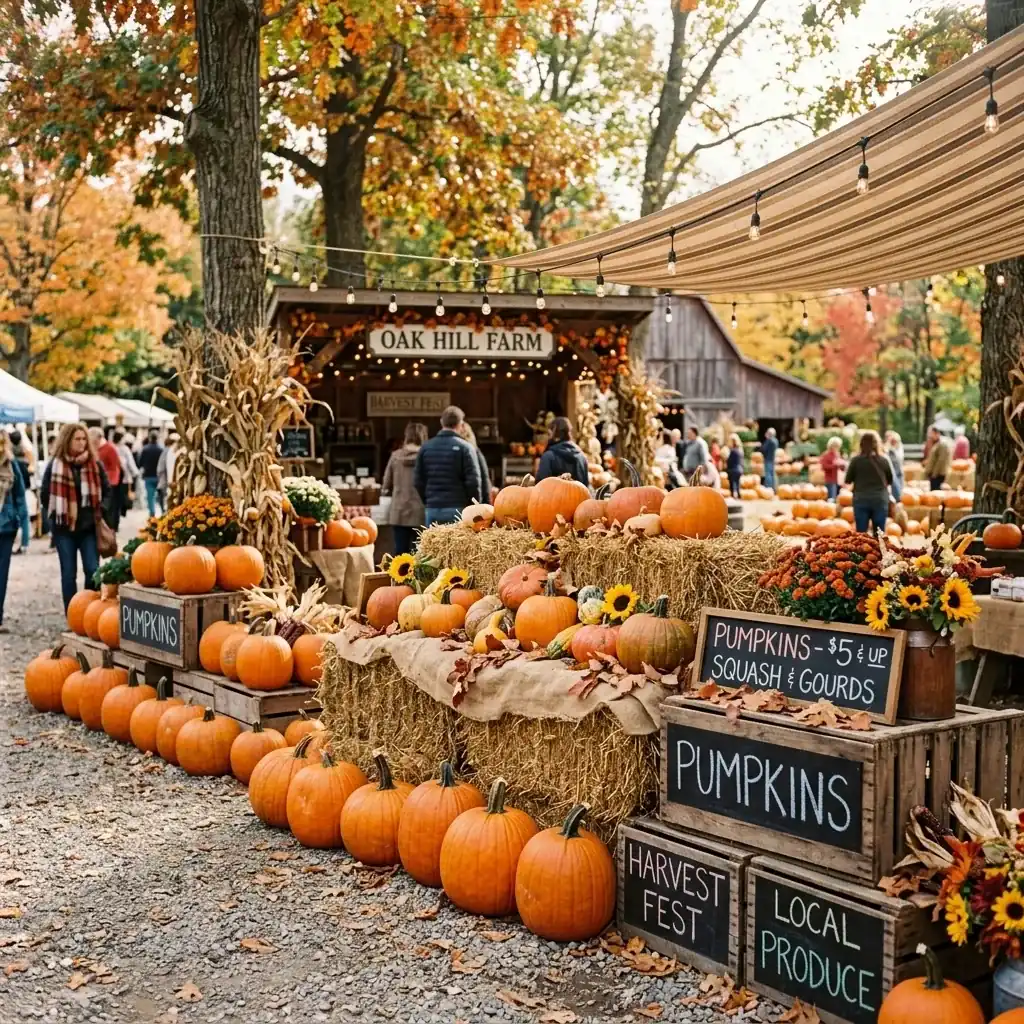
Browse cozy seasonal harvest displays.
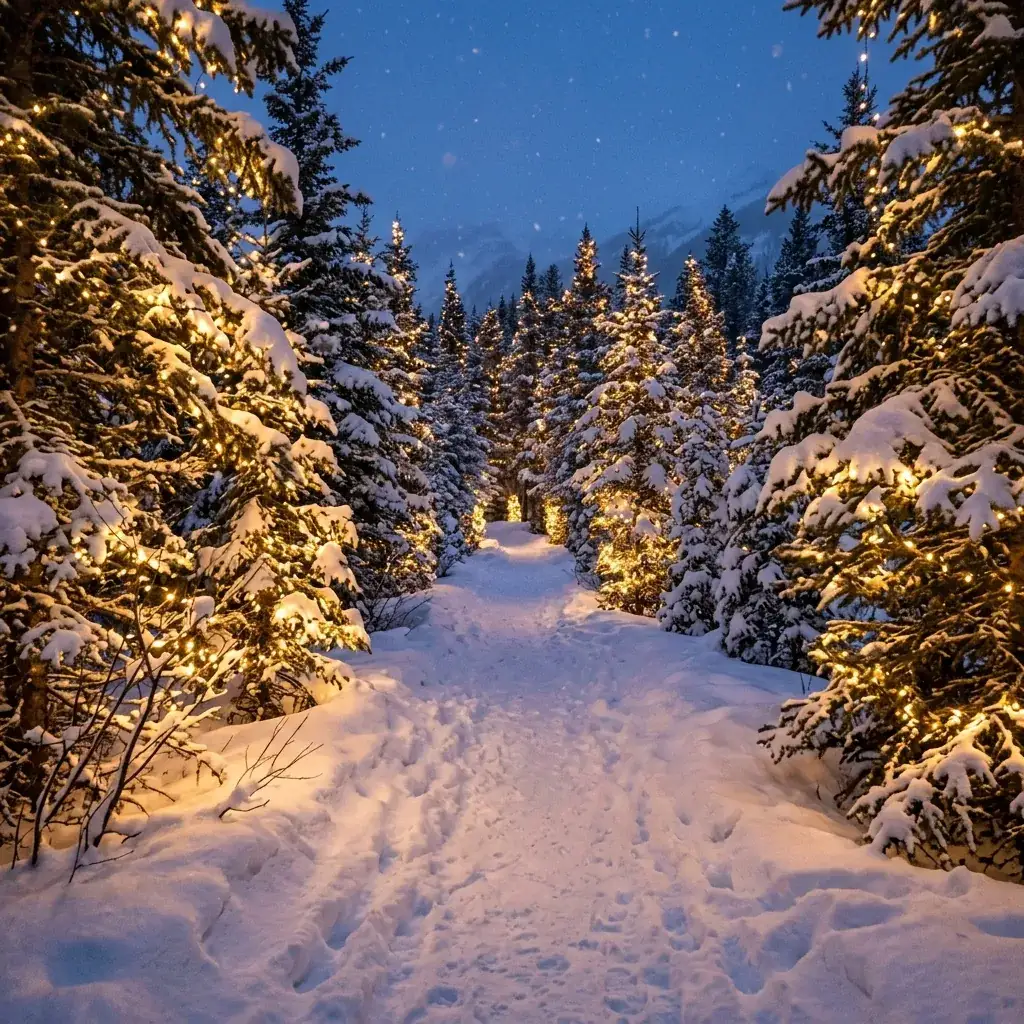
Walk through twinkling lights in the snow.
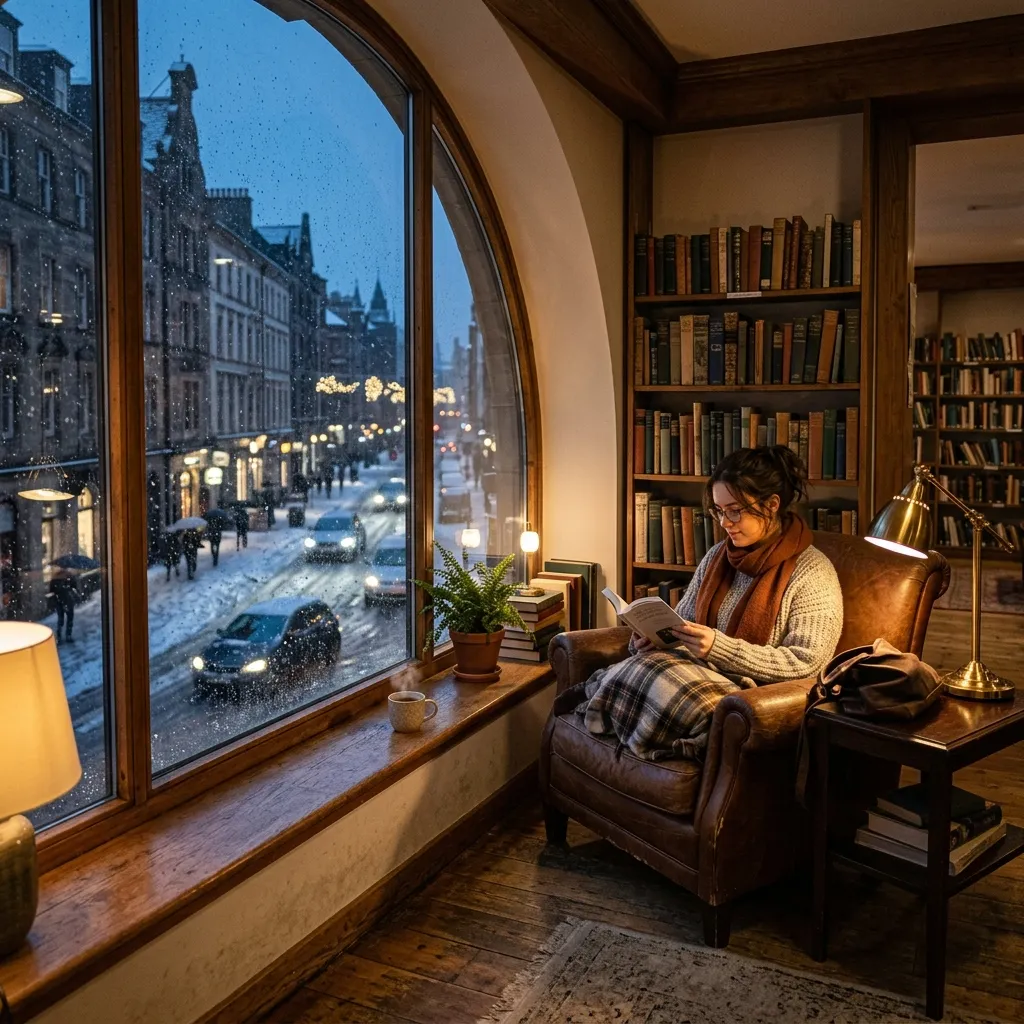
Stay warm in cozy glass-windowed reading bays.
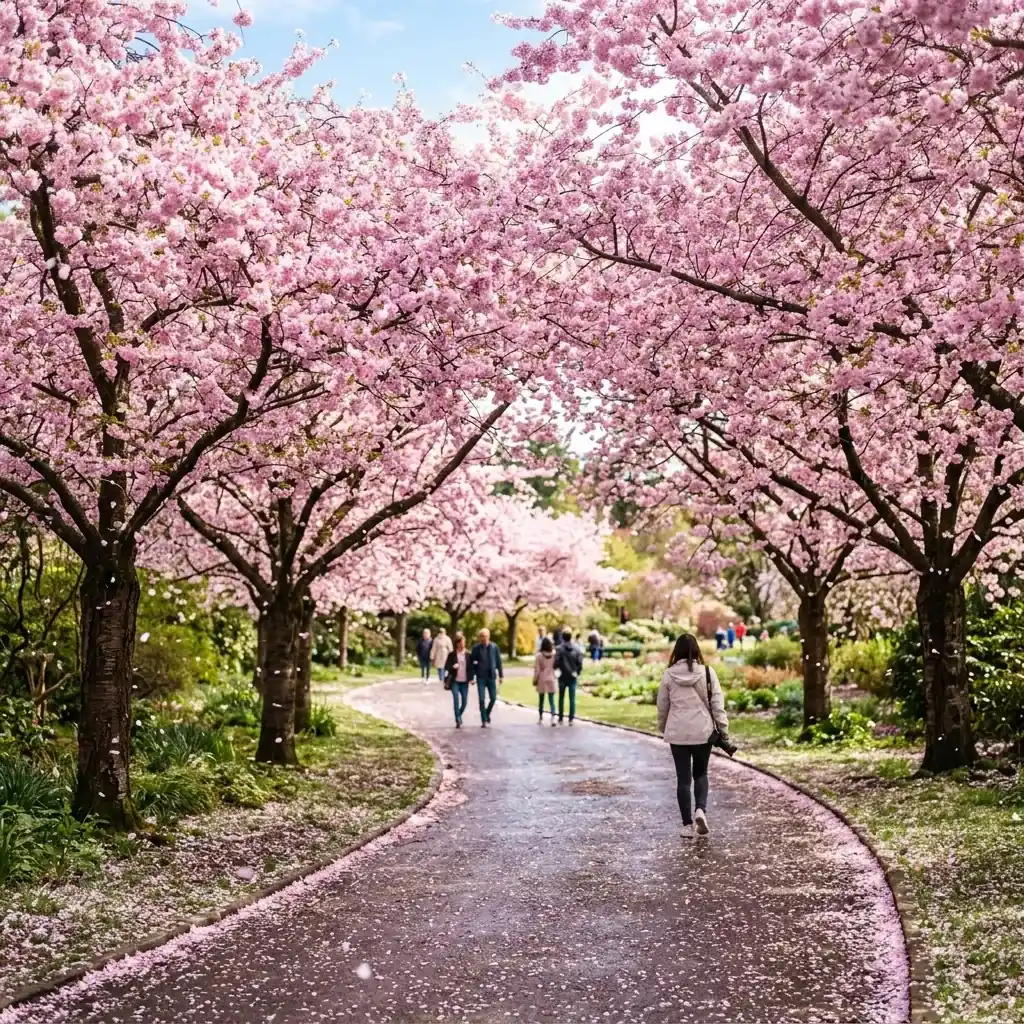
Watch local parks return to vibrant green.
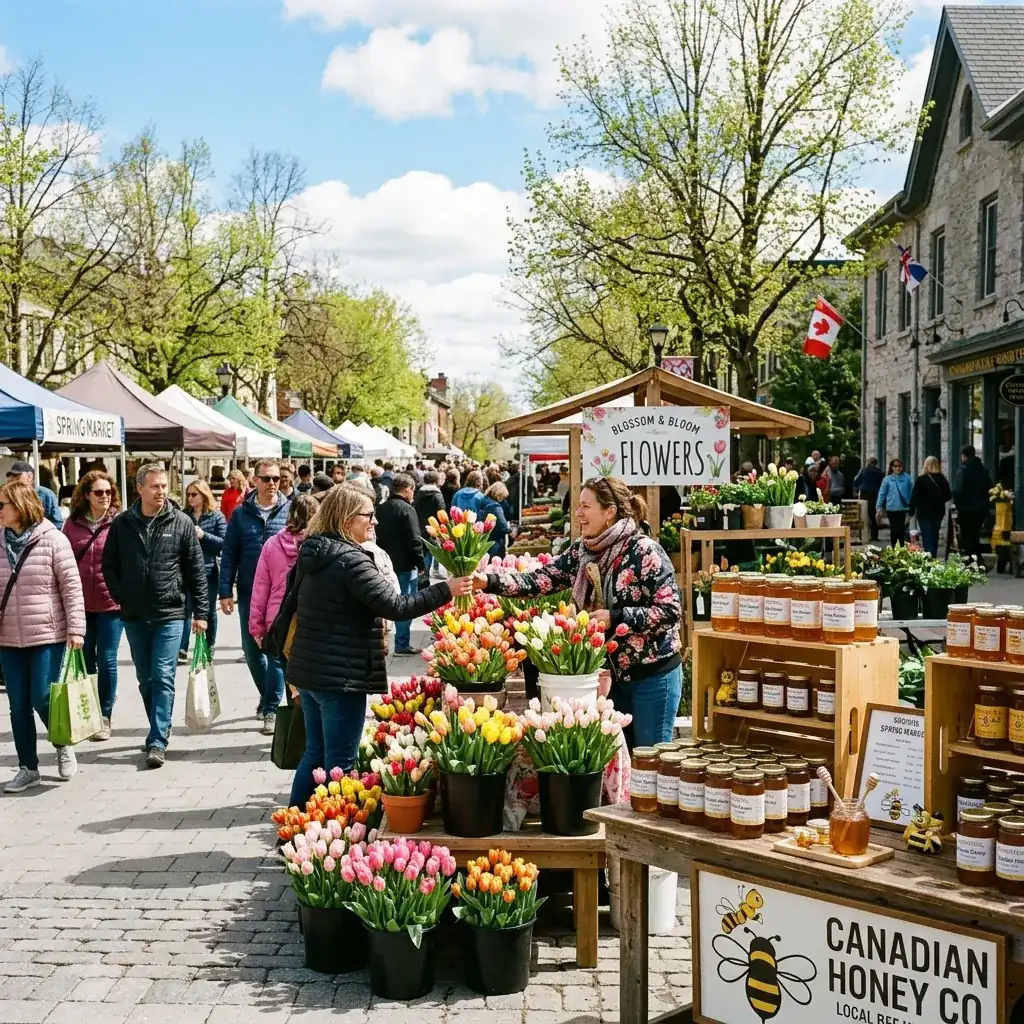
Stroll through fresh maple syrup and flower stalls.
Libraries and community centers are more than just book storage—they are warm, safe, free public sanctuaries designed for study, connection, and meditation. Local centers regularly host free coffee socials, yoga circles, and conversation groups to help newcomers settle into neighborhood rhythms.
Simple ideas to explore without straining your student budget.
Visit major local galleries during their free weekly evenings.
Join free conversation groups or localized resume workshops.
Pack coffee in a thermos and explore nearby marked trails.
Stroll through markets to sample items and see local crafts.
Walk a historic street and enjoy a local drip coffee or tea.
Visit lakeside or beach paths for beautiful summer sunsets.
Gentle suggestions for days when you feel overwhelmed or homesick.
Take a slow evening walk near water to clear your thoughts.
Spend an hour in a quiet library corner surrounded by books.
Walk through a snow-laden park and listen to the winter silence.
Watch sunsets during long summer evenings by lakeside clearings.
Connecting with your local surroundings is the first step to feeling at home. Start simple: walk to a local park or visit a neighborhood library card catalog today.
Open Transit & Setup Guides